


You’ve finished Invisalign—now what? Reaching the end of treatment is a big accomplishment, but maintaining your results is just as important as getting there. Your teeth need time and support to stay in their new position, and without it, shifting can happen. Understanding what comes next helps ensure your smile stays just as straight and confident as the day your aligners come off.
Why Retainers Matter After Invisalign
Once your aligners come off, your teeth aren’t completely ‘locked’ into their new positions yet. The bone and surrounding tissue need time to stabilize. Without some kind of support, teeth can shift back into their old positions.
That’s where retainers come in. They hold your teeth in place while your mouth adapts to its new alignment. Skipping them, even occasionally, could undo months of progress.
Types of Retainers
Not all retainers are the same. There are several types, and your dentist usually recommends one specific to your needs. They include:
Clear Plastic Retainers – These look similar to Invisalign, are easily removable and almost invisible, and are more comfortable to wear than other options. They’re the most common option after Invisalign retainers.
Fixed (or Bonded) Retainers – These are attached with a thin wire running along the back of your teeth and aren’t removable until your mouth has adjusted. They’re great for preventing movement in high-risk areas.
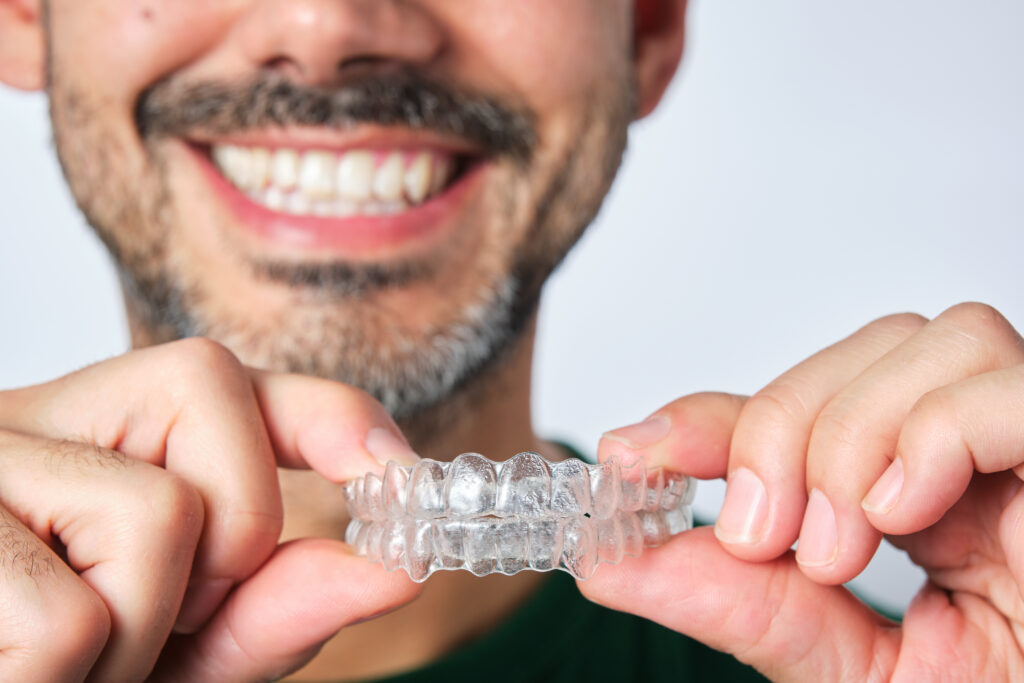
Hawley Retainers – These are made of acrylic and metal wire, making them more durable and adjustable than other options. But, they’re more noticeable than clear retainers.
Each type offers its pros and cons. Usually, it’s best to talk to your dentist to figure out which one’s best for you.
How Often Should You Wear Your Retainer?
How often you should wear your retainer depends on which yupe of one you’re using. Bonded retainers will be used 24/7, while removable ones generally need to be worn for 22-24 hours a day for the first few months.
After your dentist gives you the all clear, you can transition to night-time wear only. It’s worth noting, however, that retainers could be a permanent commitment.
Depending on your situation, your dentist could recommend wearing the retainer long-term to avoid any shifting. It’s important to take care of your retainers after your Invisalign treatment, as they can be expensive to replace. Keep them clean–brushing and rinsing them just like you do your teeth–and in their case when you’re not wearing them.
Long-Term Results: What to Expect
With proper retainer use and regular dental check-ups, the results can last you a lifetime. But, consistency is vital for this. At Mint Dental, we take a long-term approach to your smile. That means:
- Monitoring your alignment over time.
- Replacing retainers when needed.
- Addressing early signs of shifting if they become a problem.
Think of Invisalign as the transformation phase and the retainers as the maintenance phase.
Your Smile is Worth Protecting
You’ve already invested a lot of time and effort into getting a straighter smile. Protecting that doesn’t need much effort. If you’ve finished with Invisalign, book your follow-up appointment with Mint Dental today to keep your smile looking its best for years to come.